Cheese lovers know that nothing beats the rich flavor of a perfectly aged wedge. But too often, consumers throw cheese away the moment it crosses the “Best Before” date — even if it’s still safe and delicious. This widespread habit contributes significantly to avoidable food waste. The truth is, most cheeses can be enjoyed well

Meetha
September 2, 2025

When it comes to food items that spark confusion around labels, eggs top the list. Many households throw away eggs the moment they cross the “Best Before” date — but are they really unsafe? Let’s break down the science, myths, and facts about egg freshness, and explore how to safely enjoy them even after the
Meetha
September 2, 2025

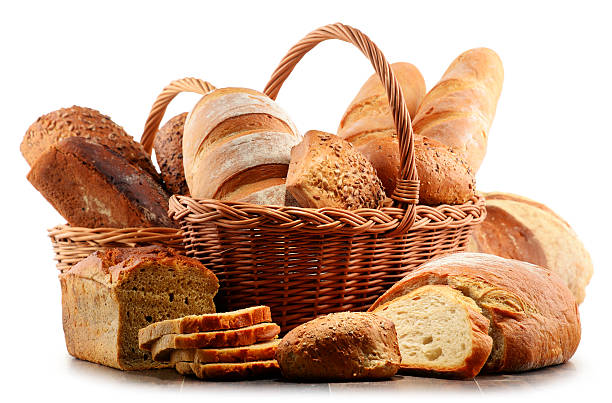
Bread is one of the most beloved staples in kitchens around the world — soft, comforting, versatile. But how many times have you looked at that “best if used by” date on your loaf and wondered: Can I still eat this? The good news? That date is not a hard stop! With a little know-how,

Moushumi Majumdar
July 11, 2025

Every year, 1/3 of all food produced globally is lost or wasted — while millions go hungry and our planet suffers. But did you know food waste and food loss are two different problems? Understanding the difference can help each of us take meaningful action. 🌾 What Is Food Loss? Food loss happens before food

Moushumi Majumdar
July 11, 2025
What MÄNTÆ Does
  • MÄNTÆ rescues perfectly edible surplus meals from restaurants, bakeries, cafes, and stores — and connects them with people like you at discounted prices.
  • Every time someone chooses MÄNTÆ, they help:Prevent a meal from going to waste
  • Save the resources used to produce that food
  • Cut down harmful greenhouse gas emissions
The Science Behind the Impact
FAO – Global Food Loss and Waste Facts

Quantifies food lost by region and category. Links food loss to global hunger and climate change.

WRAP UK – The Climate Impact of Food Waste

Provides statistics on CO₂ emissions per food category Offers practical steps to reduce food waste.

Project Drawdown – Reducing Food Waste as a Climate Solution

Ranks food waste reduction among the top 3 climate solutions. Suggests policy and market-based interventions

Food Saved is Carbon Saved

Food waste isn’t just about food. It’s about wasted water, energy, land, transport, and labor — all of which carry a carbon footprint.

According to trusted global studies:

1 kg of food waste = approx. 2.5 kg of CO₂ equivalent (CO₂e)
(Source: WRAP UK, Project Drawdown)

So, when you save 1,000 kg of food with ‘MÄNTÆ’, you also prevent around 2,500 kg (2.5 tons) of greenhouse gases.

Our Win–Win–Win Model
  • Consumers Win: Affordable meals, diverse choices, and a chance to be eco-heroes.
  • Vendors Win: Extra revenue, stronger branding, and reduced waste.
  • Planet Wins: Lower carbon footprint, less waste, and a more sustainable food system.