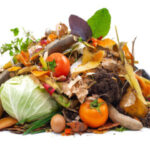
Date Labelling Confusion and Consumer Behavior: Why It Matters for Food Waste
Have you ever stood in your kitchen, staring at a food label and wondering: “Is this still safe to eat?” You’re not alone. For many households, date labels such as “Best Before” and “Use By” create confusion, leading people to throw away food that is still perfectly edible. This confusion isn’t just a household inconvenience — it’s a global driver of food waste.
❓ The Puzzle of Date Labels
Food manufacturers use different types of labels:
Best Before → Refers to quality, not safety. Food may lose some freshness or taste after this date but is still safe to eat.
Use By → Refers to safety. Food should not be consumed after this date.
Sell By / Display Until → Intended for retailers, not consumers, but often misunderstood.
📊 FAO estimates that 10% of food waste in developed countries is linked directly to confusion over date labelling. (FAO, 2019)
🛒 Consumer Behavior: Who Wastes More?
Research shows that date label confusion impacts different age groups differently:
Younger Consumers (18–34 years): More likely to discard food as soon as the date passes. A UK WRAP study found that over 60% of 18–34-year-olds rely solely on labels, without checking food quality themselves.
Middle-aged Consumers (35–54 years): More balanced, sometimes using smell/taste tests but still cautious.
Older Consumers (55+ years): Less likely to waste food. They often use traditional judgment (smell, sight, taste) rather than strictly following printed dates.
👉 Insight: Younger people waste more due to over-reliance on “expiry” labels, while older generations trust their instincts more.
🌍 The Scale of the Problem
Globally, 1.3 billion tonnes of food is wasted each year (FAO, 2011).
Household food waste contributes around 570 million tonnes of that (UNEP, 2021).
In India, 40% of food produced is wasted annually, worth about ₹92,000 crore (Indian Ministry of Food Processing, 2022).
Wasted food accounts for 8–10% of global greenhouse gas emissions (Project Drawdown, 2020).
🏛️ Government Initiatives
Governments worldwide recognize this issue:
European Union: Working towards standardizing food labels, proposing clearer “Best Before” and “Use By” definitions across member states.
USA: FDA and USDA have encouraged voluntary standardization using just two terms: “Best if Used By” (for quality) and “Use By” (for safety).
India: The Food Safety and Standards Authority of India (FSSAI) has introduced guidelines to reduce food waste, including the Food Recovery and Redistribution Regulations (2020) to clarify handling of surplus food. Campaigns like “Save Food, Share Food, Share Joy” spread awareness at the consumer level.
👩🍳 Consumer Education is Key
So how can consumers reduce waste caused by confusing labels?
Learn the difference: Best Before = quality, Use By = safety.
Trust your senses: Smell, look, and taste before discarding.
Smarter storage: Proper refrigeration and airtight storage extend food life.
Plan purchases: Avoid bulk buying if you can’t consume it in time.
FIFO method (First In, First Out): Use older food items before newer ones.
💡 How Platforms Like MealsBridge Help
Food rescue apps like MealsBridge address this gap by:
Making surplus food accessible at discounted rates.
Clearly marking meals as fresh and safe.
Helping businesses recover costs instead of throwing food away.
Giving consumers affordable meals and reducing their carbon footprint.
Directly contributing to UN SDG Goal 12.3: halving per capita global food waste by 2030.
✅ Conclusion: Every Label, Every Bite Counts
Date labelling should guide us, but too often it misleads us. By educating consumers, pushing for government standardization, and adopting innovative solutions like food rescue platforms, we can cut food waste at its root.
Next time you see “Best Before”, pause before discarding. That food might still be safe, tasty, and capable of reducing your carbon footprint.
🌱 Because every meal deserves a second chance — and every bite counts.
📚 Sources & References:
FAO (2011, 2019) – Global food loss and waste statistics
WRAP UK (2017) – Household food waste and date labelling behavior
UNEP Food Waste Index Report (2021)
Project Drawdown (2020) – Reducing food waste as a climate solution
FSSAI (2020) – Food Recovery and Redistribution Regulations, India