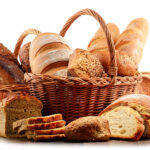
Every year, 1/3 of all food produced globally is lost or wasted — while millions go hungry and our planet suffers.
But did you know food waste and food loss are two different problems?
Understanding the difference can help each of us take meaningful action.
🌾 What Is Food Loss?
Food loss happens before food reaches you. It’s the unintentional waste along the supply chain, usually on farms or during transportation and processing.
Examples of food loss:
🚜 Crops left unharvested because they’re too small or “ugly”
🚛 Spoilage during transport due to poor refrigeration
🏭 Edible parts discarded during factory sorting or peeling
👉 Real-life example: A shipment of strawberries rots on the way to the supermarket because of a broken cooling truck.
🍽 What Is Food Waste?
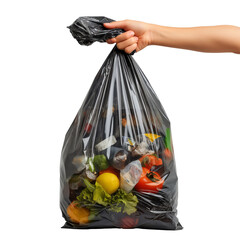
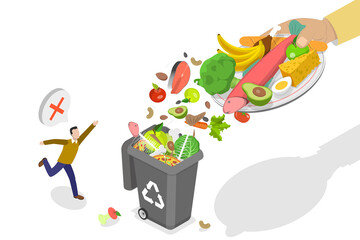
Food waste happens after food reaches stores, restaurants, or homes. It’s the edible food we intentionally or unintentionally throw away.
Examples of food waste:
🛒 Supermarkets tossing unsold but still edible items
🍽 Restaurants discarding uneaten meals or buffet leftovers
🏡 Households tossing wilted veggies, stale bread, or forgotten leftovers
👉 Real-life example: Throwing away a bunch of bananas at home because they have brown spots.
🌍 Why Does the Difference Matter?
✅ Both food loss and food waste waste natural resources — water, land, energy.
✅ Both contribute to greenhouse gas emissions when dumped in landfills.
✅ Both lead to economic loss — but only one is in our hands.
💡 Key point:
Food loss → Needs better farming, storage, and transport systems.
Food waste → Needs us to change habits at home and in businesses.
💚 What You Can Do (Starting Today!)
To fight food waste at home:
🥗 Plan meals before shopping
❄️ Store food properly, freeze extras
🔍 Understand date labels (“best by” ≠ bad)
🍞 Get creative — stale bread = croutons, soft fruit = smoothies
To help reduce food loss (indirectly):
🥕 Buy “imperfect” produce
💬 Support brands and stores working on food recovery
✊ Advocate for better food policies and donation systems