Skip to content
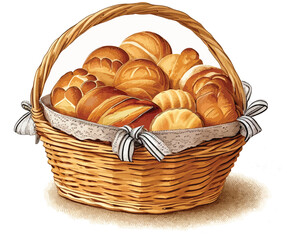
wicker basket with assorted baking products isolated on white background

Beyond the Best By: How to Love Your Bread Longer

Posted in :

Moushumi Majumdar

Bread is one of the most beloved staples in kitchens around the world — soft, comforting, versatile. But how many times have you looked at that “best if used by” date on your loaf and wondered: Can I still eat this?

The good news? That date is not a hard stop! With a little know-how, you can safely enjoy bread past its labeled date, reduce food waste, and maybe even discover some delicious new uses.

Understanding “Best If Used By”

First, let’s clear up the confusion.

  • “Best if used by” or “best before” dates are quality indicators, not safety deadlines.

  • They suggest when the bread will taste its freshest — softest crumb, best flavor, perfect texture.

  • Bread doesn’t magically go bad at midnight on that date. In fact, most loaves are perfectly fine for several days after.

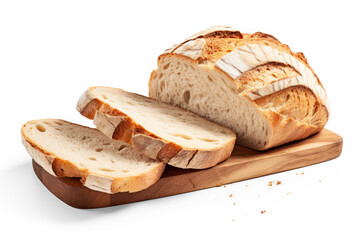
breads5
breads4

How to Check If Bread Is Still Good

Instead of just looking at the date, use your senses:

Look: Check for visible mold (usually fuzzy green, white, or black spots). If you see mold, toss it — bread mold spreads invisibly inside.
Smell: Give it a sniff. Sour, off, or musty smells mean it’s time to say goodbye.
Touch: Is it just dry or truly stale? Stale bread is safe but not as enjoyable fresh; however, it can still shine in many recipes

Ways to Enjoy Bread Past Its Prime

Here’s where a little creativity comes in. Slightly stale bread can be transformed into mouthwatering dishes:

🍞 Toast it: Slightly dry bread makes the best toast — crispy on the outside, soft inside.

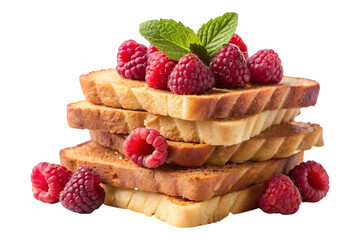
🍳 Make French toast or bread pudding: Soak it in an egg-milk mixture and pan-fry or bake. Stale bread actually absorbs flavors better!

🥗 Cube for croutons: Toss with olive oil, herbs, and bake until golden. Homemade croutons are miles better than store-bought.

🍅 Make bruschetta or crostini: Toast slices and top with tomatoes, cheese, or your favorite spreads.

🥣 Blend into breadcrumbs: Blitz in a food processor, toast lightly, and store for coating or topping dishes.
breads8
ani bread1

How to Extend Bread’s Life

To get the most out of every loaf:

  • Store bread in a cool, dry place — avoid the fridge, as it speeds up staling.

  • Freeze slices you won’t use right away; they can go straight into the toaster when needed.

  • Wrap well to prevent freezer burn (use foil, freezer bags, or airtight containers).

What MÄNTÆ Does
  • MÄNTÆ rescues perfectly edible surplus meals from restaurants, bakeries, cafes, and stores — and connects them with people like you at discounted prices.
  • Every time someone chooses MÄNTÆ, they help:Prevent a meal from going to waste
  • Save the resources used to produce that food
  • Cut down harmful greenhouse gas emissions
The Science Behind the Impact
FAO – Global Food Loss and Waste Facts

Quantifies food lost by region and category. Links food loss to global hunger and climate change.

WRAP UK – The Climate Impact of Food Waste

Provides statistics on CO₂ emissions per food category Offers practical steps to reduce food waste.

Project Drawdown – Reducing Food Waste as a Climate Solution

Ranks food waste reduction among the top 3 climate solutions. Suggests policy and market-based interventions

Food Saved is Carbon Saved

Food waste isn’t just about food. It’s about wasted water, energy, land, transport, and labor — all of which carry a carbon footprint.

According to trusted global studies:

1 kg of food waste = approx. 2.5 kg of CO₂ equivalent (CO₂e)
(Source: WRAP UK, Project Drawdown)

So, when you save 1,000 kg of food with ‘MÄNTÆ’, you also prevent around 2,500 kg (2.5 tons) of greenhouse gases.

Our Win–Win–Win Model
  • Consumers Win: Affordable meals, diverse choices, and a chance to be eco-heroes.
  • Vendors Win: Extra revenue, stronger branding, and reduced waste.
  • Planet Wins: Lower carbon footprint, less waste, and a more sustainable food system.