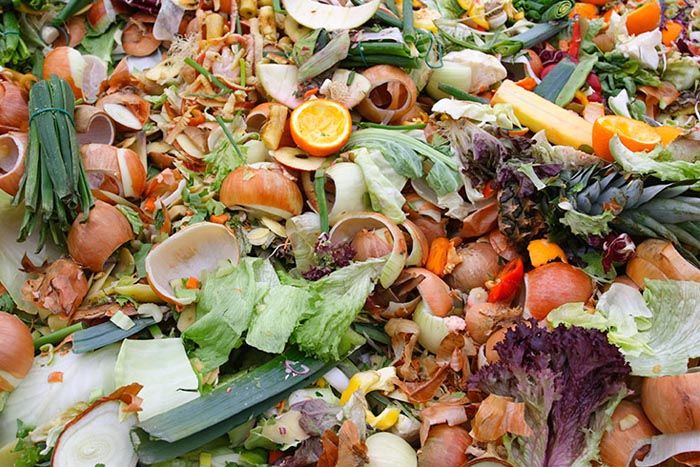

How Does Food Waste Affect the Environment and Climate?
Food is one of the most valuable resources we have. It requires land, water, energy, labor, and transportation to reach our plates. Yet every day, a significant portion of this food is thrown away—often while it is still perfectly edible.
Food waste may seem like a household issue, but in reality, it is a major environmental and climate problem. When food is wasted, all the resources used to produce it are wasted as well, and the discarded food contributes to harmful greenhouse gas emissions.
In a country like India, where agriculture supports millions of livelihoods and food security remains a challenge, reducing food waste is not only environmentally responsible but also socially important.
🍽️ The Scale of Food Waste
Food waste is a global issue with enormous environmental consequences.
According to the United Nations Environment Programme (UNEP) Food Waste Index Report 2021:
Around 931 million tonnes of food are wasted globally each year.
61% of this waste comes from households, while restaurants and retail make up the rest.
India also faces a significant food waste challenge.
According to the Food and Agriculture Organization (FAO) and Indian government estimates:
India wastes approximately 67 million tonnes of food annually.
The economic value of this waste is estimated to be over ₹90,000 crore every year.
Ironically, while food is wasted on such a large scale, millions of people still face hunger and malnutrition.
🌱 Why Food Waste Matters for the Environment
Food production uses enormous natural resources. When food is thrown away, those resources are lost as well.
1️⃣ Wasted Water Resources
Agriculture consumes nearly 70% of the world’s freshwater supply.
In India, producing common foods requires large amounts of water:
1 kg of rice requires about 2,500–3,000 liters of water
1 kg of wheat requires around 1,600 liters
1 kg of chicken requires roughly 4,300 liters
When food is wasted, all the water used to grow, process, and transport it is wasted too.
In a country already facing water stress in many regions, this loss is particularly concerning.
2️⃣ Land and Biodiversity Loss
Large areas of land are used to grow crops and raise livestock.
When food is wasted, it means that land was cleared, cultivated, and fertilized without fulfilling its purpose of feeding people.
Expanding agricultural land can lead to:
Deforestation
Habitat destruction
Loss of biodiversity
Reducing food waste helps reduce pressure on forests and ecosystems.
3️⃣ Energy and Transportation Emissions
Food production involves many energy-intensive processes:
Farm machinery
Irrigation systems
Fertilizer production
Processing and packaging
Refrigeration and transport
When food is wasted, the energy used across this entire supply chain is also wasted, increasing the overall carbon footprint.
🌍 Food Waste and Climate Change
One of the biggest environmental impacts of food waste is its role in climate change.
When food waste ends up in landfills, it decomposes without oxygen and produces methane, a powerful greenhouse gas.
Methane is about 25 times more potent than carbon dioxide in trapping heat in the atmosphere.
According to the Intergovernmental Panel on Climate Change (IPCC):
Food waste contributes 8–10% of global greenhouse gas emissions.
If food waste were a country, it would be the third-largest emitter of greenhouse gases, after China and the United States.
🇮🇳 Food Waste in the Indian Context
In India, food waste occurs at multiple stages of the food system:
Post-harvest losses
Poor storage, transportation, and cold-chain infrastructure can lead to large quantities of food being lost before reaching markets.
Retail and restaurant waste
Restaurants, wedding banquets, and food service establishments often prepare more food than needed.
Household waste
Food purchased in excess or stored improperly often ends up in the bin.
Reducing waste across these stages can significantly reduce environmental pressure.
🌿 The Environmental Cost of Wasting Food
Throwing away food means wasting:
💧 Water used to grow it
🌾 Land used to cultivate it
⚡ Energy used to produce and transport it
🌍 Additional emissions from decomposition
Reducing food waste therefore has a direct positive impact on the environment and climate.
🥗 What Individuals Can Do
Small changes in daily habits can make a big difference.
Here are a few practical steps:
✔ Plan meals and buy only what you need
✔ Store food properly to extend shelf life
✔ Understand food date labels like “Best Before” vs “Use By”
✔ Use leftovers creatively in new meals
✔ Compost unavoidable food scraps
These actions reduce waste while saving money.
🌱 How Mantae Helps Reduce Food Waste
At Mantae, we believe that good food should never go to waste.
Our platform connects restaurants, bakeries, and food businesses that have surplus meals with consumers who can purchase them at discounted prices.
This approach helps:
🍽️ Prevent perfectly edible food from being discarded
💰 Save money for consumers
🏪 Help businesses recover costs
🌍 Reduce the environmental impact of food waste
Every meal saved is a small but meaningful step toward a more sustainable food system.
🌎 Every Bite Counts
Food waste is not just about throwing away food—it is about wasting the resources of our planet.
By becoming more mindful of how we produce, consume, and share food, we can reduce environmental damage and contribute to climate solutions.
At Mantae, we believe that every rescued meal helps protect the planet.
Because when food is saved, so are the resources that made it possible.